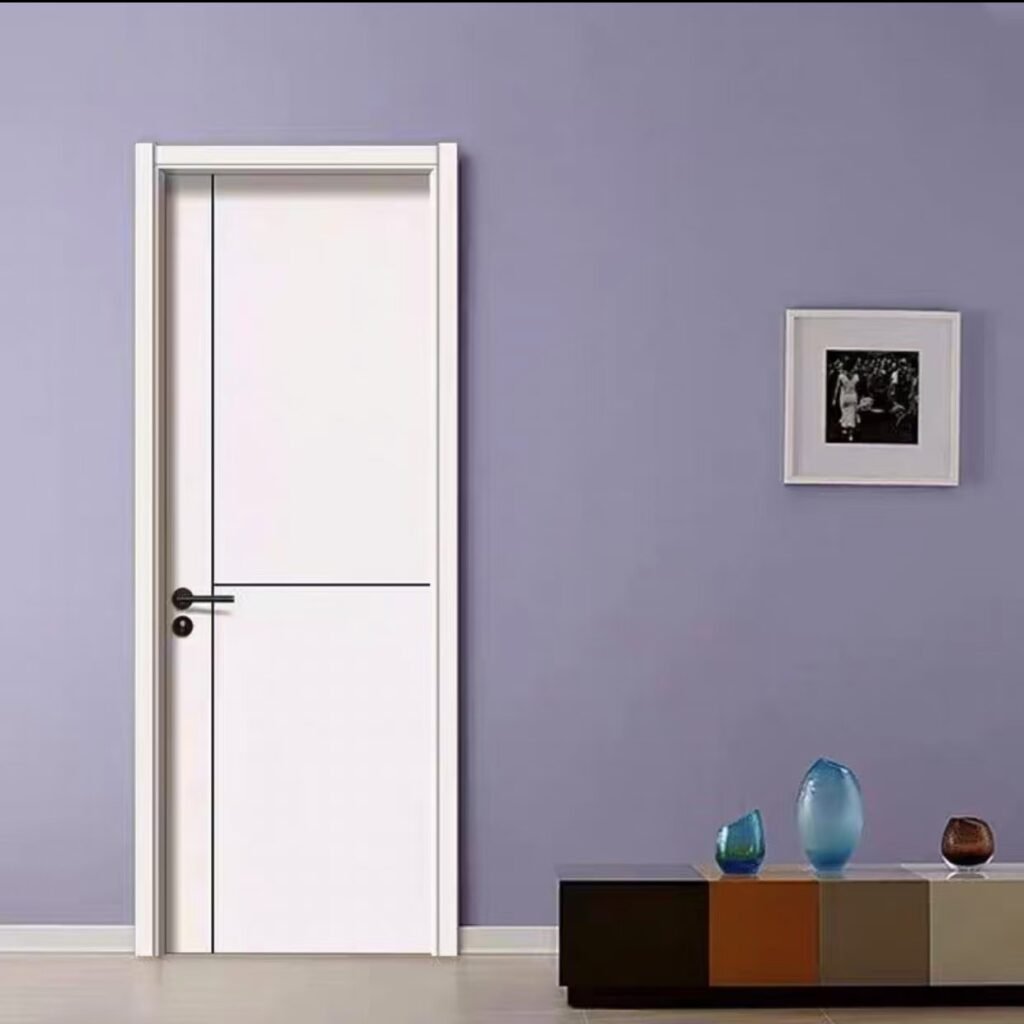
WPC Doors: The Ultimate Solution for Modern Homes and Commercial Spaces
In recent years, the demand for WPC (Wood Plastic Composite) doors has been rapidly growing as homeowners and businesses alike seek durable, sustainable, and aesthetically appealing door solutions. At HiNiDeco, we are proud to offer a wide range of WPC doors that combine the best of natural wood and advanced technology to provide a superior option for residential and commercial applications.
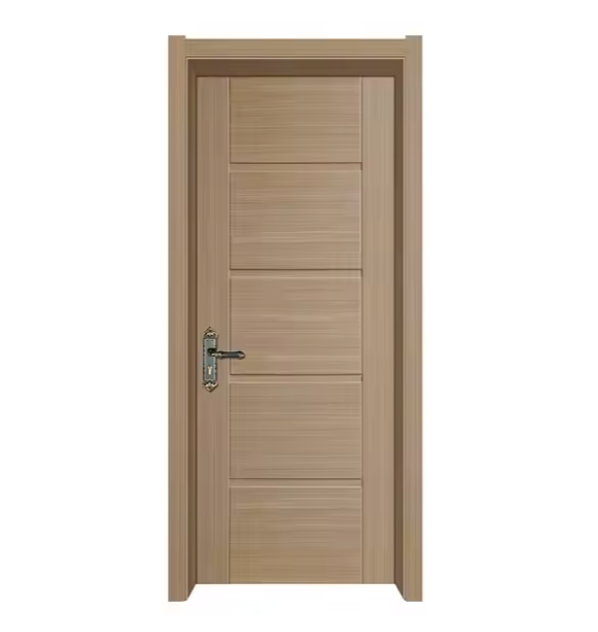
What Are WPC Doors?
WPC doors are made from a combination of wood fibers and plastic materials, which are then molded into a solid, durable form. This composite material offers the beauty and texture of natural wood, combined with the benefits of plastic, such as enhanced durability, water resistance, and low maintenance. As a result, WPC doors are an ideal solution for various environments, from homes to commercial spaces, where longevity and aesthetic appeal are crucial.
Why Choose WPC Doors?
- Durability and Strength
One of the key advantages of WPC doors is their exceptional durability. The composite material is designed to withstand various weather conditions, making it perfect for both indoor and outdoor use. Unlike traditional wooden doors, WPC doors are resistant to rot, warping, and cracking, even in humid or rainy climates. - Water and Moisture Resistance
WPC doors are highly resistant to moisture, making them an ideal choice for bathrooms, kitchens, and even areas that are exposed to direct rain or high humidity. Traditional wooden doors can swell, crack, or warp when exposed to moisture, but WPC doors maintain their structural integrity over time. - Low Maintenance
WPC doors require minimal maintenance compared to wooden doors. There’s no need for frequent painting, varnishing, or sealing to protect the surface. Simply wipe the doors with a damp cloth to remove dust and dirt, and they’ll continue to look as good as new. - Eco-Friendly Option
At HiNiDeco, we are committed to offering eco-friendly products, and WPC doors align perfectly with this vision. The composite material is made from recycled wood fibers and plastic, reducing waste and promoting sustainability. Choosing WPC doors is an environmentally responsible option for those looking to make greener choices in home and commercial renovations. - Aesthetic Versatility
WPC doors come in a variety of designs, colors, and finishes to match any interior decor. Whether you prefer a classic wood texture, modern sleek finishes, or even custom colors, there’s a WPC door design that suits your needs. Additionally, they can be easily shaped and molded to fit unique door frame sizes, making them ideal for custom applications. - Cost-Effective Solution
While WPC doors offer the high-end aesthetic of wooden doors, they are typically more affordable. The combination of cost-effectiveness and long-term durability makes WPC doors an excellent investment for both homeowners and businesses looking for quality on a budget.
Applications of WPC Doors
WPC doors are versatile and can be used in various applications:
- Residential Use:
WPC doors are ideal for bedroom doors, bathroom doors, and even kitchen cabinets. Their water resistance and low maintenance make them perfect for high-traffic areas of the home. - Commercial Use:
For commercial spaces such as offices, hotels, and retail stores, WPC doors offer a professional appearance with the durability needed to withstand constant use. They are also resistant to scratches and scuffs, making them an excellent choice for busy environments. - External Doors:
Due to their water resistance, WPC doors are increasingly used for external applications like garden gates, patio doors, and main entrances. Their ability to withstand harsh weather conditions without warping or fading makes them a reliable choice for outdoor use.
WPC Door Design and Customization
At HiNiDeco, we understand that every space is unique, and we offer a wide range of WPC door designs and finishes to cater to different styles. Whether you’re looking for a modern, minimalist door or a more traditional wood look, we have options that fit your vision. Our customization services allow you to select the exact color, texture, and finish you desire, ensuring your doors perfectly complement the overall design of your space.
Installation and Care Tips
- Installation:
WPC doors are relatively easy to install, especially if you’re using pre-hung door units. Ensure that the door frame is properly aligned and that the hinges are securely attached. You can also hire a professional installer if needed to ensure a seamless fit. - Care and Maintenance:
While WPC doors are low-maintenance, it’s still essential to care for them properly to prolong their lifespan. Regularly clean the surface with a soft cloth and mild detergent. Avoid using harsh chemicals or abrasive materials that could damage the finish.
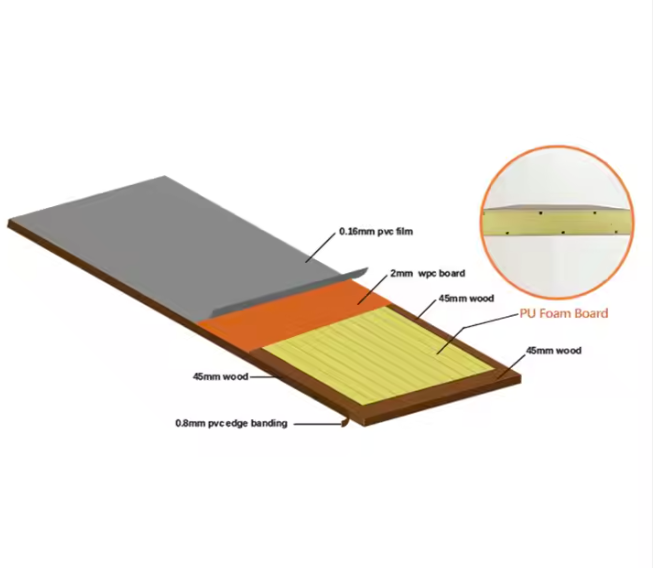
What’s the structure of the WPC door?
The structure of a WPC (Wood Plastic Composite) door is designed to combine the durability of plastic and the aesthetic appeal of wood. It typically consists of several layers and materials, each serving a specific function to enhance the performance and appearance of the door. Here’s a breakdown of the typical structure of a WPC door:
1. Outer Layer (Decorative Layer)
- Material: The outer surface of a WPC door is often covered with a high-quality laminate, veneer, or PVC film.
- Function: This layer gives the door its aesthetic appearance and can mimic the look of real wood, stone, or other natural textures. The laminate or PVC film provides additional protection against scratches, fading, and wear.
- Colors/Finishes: This layer comes in various colors, including wood finishes (like oak, walnut, and teak), solid colors (white, grey, black), or even custom prints.
2. Core Material (WPC Core)
- Material: The core is made from a blend of wood fibers (or wood flour) and plastic (PVC, PE, or PP), compressed and molded into a solid structure.
- Function: This core gives the WPC door its strength, stability, and lightweight nature. The blend of wood and plastic provides moisture resistance (unlike solid wood) while still offering the appearance of natural wood.
- Properties: The core material is highly durable, resistant to environmental changes (like moisture, termites, or temperature), and provides sound insulation.
3. Reinforcement Layer (Optional)
- Material: Some WPC doors may include a metal frame or reinforced ribbing (often made of steel or aluminum) inside the door for added strength and stability.
- Function: The reinforcement layer provides extra support, especially for larger or more frequently used doors. It can also improve the security of the door, making it less likely to warp or bend over time.
4. Edge Sealing/Trim
- Material: The edges of a WPC door may have a PVC trim or molding.
- Function: This protective trim seals the edges of the door, preventing moisture absorption and ensuring the door retains its durability over time. It also enhances the aesthetic appeal by giving the door a finished look.
5. Internal Hollow or Solid Construction
- Hollow Core: Some WPC doors have a hollow core structure, which reduces the door’s weight while still providing sufficient strength and insulation. The hollow design helps make the door lightweight and easy to install.
- Solid Core: High-end WPC doors may have a solid core for enhanced security and soundproofing, offering a heavier, more solid feel.
6. Surface Coating (Optional)
- Material: Some WPC doors are coated with a UV protective coating, which helps prevent fading and discoloration due to sunlight exposure.
- Function: This extra layer helps maintain the door’s color vibrancy and durability over time.
Advantages of WPC Door Structure:
- Lightweight but strong: WPC doors are not as heavy as solid wood doors, making them easier to handle and install.
- Moisture-resistant: Unlike wood doors, WPC doors are resistant to moisture and termite damage, making them ideal for bathrooms, kitchens, or areas with high humidity.
- Durability: The plastic component in WPC doors enhances their resistance to scratches, dents, and wear.
- Easy to maintain: The smooth surface and moisture resistance make WPC doors easy to clean and maintain compared to traditional wood doors.
- Aesthetic flexibility: WPC doors can be manufactured with various textures, finishes, and colors, offering a wide range of design options.
in summeary:
The structure of a WPC door is a combination of a decorative outer layer, a durable WPC core, optional reinforcement, and edge protection that together provide a lightweight, durable, and moisture-resistant door solution with an attractive appearance. This structure makes WPC doors a popular choice in modern construction, offering the best of both worlds: the beauty of wood and the practicality of plastic.
Where is the major manufacturer in china for WPC door?
In China, the major manufacturers of WPC (Wood Plastic Composite) doors are typically located in key industrial hubs that specialize in the production of building materials and home decor. The top regions include:
1. Foshan, Guangdong Province
- Foshan is a major city in southern China known for its robust manufacturing industry, particularly in the home improvement and construction sectors. It is home to many leading WPC door manufacturers, offering a wide variety of styles, finishes, and customization options. The city’s proximity to Guangzhou, a major transportation hub, further enhances its appeal for both domestic and international markets.
2. Zhejiang Province (Yiwu, Hangzhou, and Ningbo)
- Zhejiang is a manufacturing powerhouse, with cities like Yiwu being well-known for their diverse production of building materials, including WPC doors. Yiwu, in particular, is known as a global trade hub, making it easy to connect with suppliers who specialize in eco-friendly and durable door solutions.
3. Shandong Province (Qingdao and Jinan)
- Shandong has a strong manufacturing presence in the building materials sector, and companies in cities like Qingdao and Jinan are well-regarded for producing high-quality WPC doors. Many of these manufacturers offer both standard designs and custom solutions.
4. Hebei Province
- Hebei is known for its manufacturing of various home improvement materials, including WPC doors, due to its rich resources in wood and plastic materials. Some manufacturers here specialize in bulk production and exporting WPC doors to global markets.
5. Suzhou, Jiangsu Province
- Suzhou is another key manufacturing city in China, particularly known for its innovation in materials and home decor products. Many factories in Suzhou are known for producing high-quality WPC doors with a focus on modern designs and durability.
Why These Regions?
- Proximity to Supply Chains: These regions are strategically located near plastic and wood material suppliers, making it easier to source the components needed for WPC production.
- Manufacturing Expertise: These areas have well-established factories and skilled labor specializing in composite materials, ensuring high-quality production of WPC doors.
- Export-Friendly: Being close to major ports like Guangzhou, Shanghai, and Qingdao, manufacturers in these regions are well-positioned to serve international markets efficiently.
WPC door cost ?
The cost of WPC (Wood Plastic Composite) doors can vary significantly depending on several factors, such as:
- Design and Customization: Simple, standard designs are usually more affordable, while custom-made or intricate patterns (e.g., special textures, finishes, or colors) can increase the price.
- Size: Larger doors or non-standard sizes typically cost more than standard-sized doors.
- Quality: The quality of materials used in manufacturing the WPC door, including the type of wood fibers and plastic, can affect the cost.
- Quantity: Bulk orders often come with discounts, so buying in larger quantities can reduce the per-unit price.
- Brand/Manufacturer: Established brands with premium features or superior quality tend to be more expensive, while less-known manufacturers may offer competitive pricing.
Typical Price Range for WPC Doors
- Standard WPC Doors:
- Cost per door: Approximately $40 to $150 USD, depending on the factors mentioned above. These are commonly used for interior spaces in homes or businesses.
- High-End or Custom WPC Doors:
- Cost per door: Can range from $150 to $300+ USD for customized designs, premium finishes, or larger sizes.
- Wholesale Pricing (Bulk Orders):
- For large orders, the price per unit can decrease significantly. Wholesale prices typically range from $30 to $120 USD per door depending on volume, customization, and other factors.
Additional Costs
- Shipping: For international orders, shipping costs can be substantial, especially if the order is large or needs to be transported long distances.
- Installation: If you choose to hire a professional for installation, the cost will vary based on location, complexity, and labor rates.
Factors That Can Influence the Price
- Thickness and Density: Thicker, more durable WPC doors tend to cost more due to the higher amount of material used.
- Surface Finish: Glossy or textured finishes might cost more than plain, matte finishes due to the added processing involved.
- Insulation Properties: WPC doors with added insulation layers (for noise reduction or temperature control) may come at a premium price.
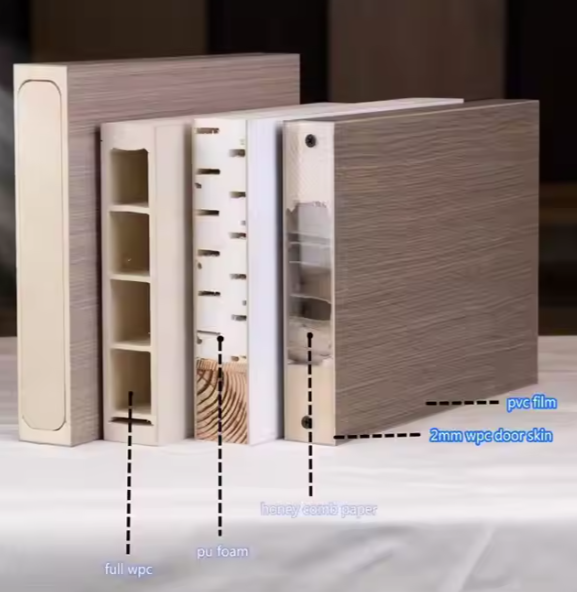
How to judge this is a good WPC PVC doors?
Judging whether a WPC (Wood Plastic Composite) or PVC door is of high quality involves considering several key factors that influence its durability, performance, and aesthetic appeal. Here’s a guide to help you assess the quality of these doors:
1. Material Composition
- WPC Doors: Should be made of a well-balanced mixture of high-quality wood fibers and PVC (polyvinyl chloride) or other plastic materials. The right mix ensures durability, water resistance, and strength.
- PVC Doors: Made entirely from plastic, they should use virgin PVC (new, unused plastic material) for higher durability, rather than recycled PVC, which can be weaker and prone to cracking.
- Test: Inspect the door’s surface to see if it has any weak spots, such as bending or cracking. High-quality WPC or PVC doors should feel solid and robust, with no signs of brittleness.
2. Thickness and Density
- WPC or PVC door thickness directly influences its strength and insulation properties.
- Good quality doors typically have a thickness between 35mm and 50mm for residential use, though thicker doors (e.g., 50mm+) are often used in commercial settings for better security and insulation.
- Test: Tap the door with your knuckles. A high-quality door should produce a solid, dense sound rather than a hollow one, which indicates poor quality.
3. Water Resistance
- WPC doors are known for their water resistance. They should not warp, swell, or peel when exposed to moisture.
- PVC doors are naturally water-resistant and won’t absorb water, making them ideal for humid or wet environments (like bathrooms and kitchens).
- Test: Check if the door has undergone water resistance tests or ask for a moisture-resistant certificate. A good WPC or PVC door should maintain its shape and integrity after exposure to moisture.
4. Surface Finish
- A high-quality WPC or PVC door should have a smooth, even finish without visible defects or uneven coatings. Look for a well-applied UV coating or laminate that enhances scratch resistance and durability.
- Test: Inspect the door’s surface for any peeling, cracking, or fading. A quality door should have a glossy or matte finish (depending on design preference) that doesn’t show wear easily.
5. Durability and Impact Resistance
- WPC and PVC doors are generally more durable than traditional wood doors because they are resistant to scratches, dents, moisture, and UV light. They should not easily break or crack under pressure.
- Test: Lightly press on the surface or tap with a hard object. A quality door should not dent, chip, or break easily under light impact.
6. Color and Aesthetic Consistency
- High-quality WPC or PVC doors come in a wide variety of colors and finishes, with consistency across each batch. They should have well-defined colors, especially if you’re choosing a wood-grain finish.
- Test: Inspect the color consistency. Cheap or poorly made doors might have color patches, fading, or uneven tones.
7. Heat and UV Resistance
- WPC and PVC doors should resist fading, discoloration, or warping when exposed to sunlight and high temperatures. UV coating on high-quality doors helps prevent this.
- Test: Ask if the door is UV treated or if it has been tested for heat resistance. Long-lasting quality doors maintain their color and shape even in areas with intense sunlight.
8. Weight
- High-quality WPC and PVC doors will generally have a heavier feel, indicating that they contain a good proportion of solid material. A lightweight door may indicate low-quality material or insufficient core density.
- Test: Lift the door or assess its weight compared to its size. A solid, high-quality door should feel substantial, while a lightweight one might feel flimsy.
9. Soundproofing and Insulation
- One of the advantages of WPC and PVC doors is their soundproofing and thermal insulation properties. The door should help reduce noise and temperature transfer.
- Test: Check if the door has an insulating core (some WPC doors feature foam cores for better insulation). A high-quality door will keep sound levels low and provide good temperature control.
10. Hinge and Locking Mechanism
- A high-quality WPC or PVC door should be fitted with sturdy, rust-resistant hinges and locking mechanisms that function smoothly. These components should be easy to adjust and not prone to failure over time.
- Test: Check if the door opens and closes easily. Ensure that the locks and hinges are properly installed and made of quality materials.
11. Manufacturer’s Reputation
- Trustworthy brands and manufacturers like HiNiDeco typically offer high-quality WPC and PVC doors that adhere to industry standards and have certifications (e.g., ISO, CE). They should provide warranties and customer support.
- Test: Research the manufacturer’s reputation and check customer reviews. A good manufacturer will be transparent about the materials used and the manufacturing process.
WPC door vs. WOOD door
When comparing WPC (Wood Plastic Composite) doors with traditional wood doors, there are several important factors to consider. Both types of doors have their advantages and drawbacks, and the choice depends on your specific needs and preferences. Here’s a breakdown of key differences between WPC doors and wood doors:
1. Material Composition
- WPC Doors: Made from a mixture of wood fibers and plastic (PVC), combined with other additives. The plastic content gives them enhanced durability and water resistance compared to natural wood.
- Wood Doors: Made from natural wood, such as oak, pine, mahogany, or teak. These doors offer an authentic and timeless appearance but can be more susceptible to environmental factors.
2. Durability and Maintenance
- WPC Doors: Highly resistant to moisture, swelling, warping, and cracking. They are more durable in high-humidity or wet areas like bathrooms and kitchens. They are also resistant to pests like termites.
- Wood Doors: While wood doors can last a long time if properly maintained, they are vulnerable to moisture, humidity, and pests. They may require more maintenance, such as sanding, staining, and sealing to prevent damage.
3. Water and Moisture Resistance
- WPC Doors: Have excellent water resistance. They do not warp or swell in humid environments, making them ideal for areas prone to moisture, like bathrooms and basements.
- Wood Doors: Natural wood is prone to moisture absorption, which can lead to warping, swelling, and decay if not properly sealed and maintained.
4. Aesthetic Appeal
- WPC Doors: Offer a variety of designs, textures, and finishes, including wood grain patterns that mimic the appearance of real wood. However, some people may prefer the authentic, natural look and feel of wood.
- Wood Doors: Known for their classic elegance and authentic look. Wood doors can be customized with stains, paints, and varnishes to suit different interior designs.
5. Environmental Impact
- WPC Doors: More eco-friendly than solid wood doors, as they use recycled wood fibers and plastic materials, reducing the demand for cutting down trees. However, the plastic content may not be as environmentally friendly as natural materials.
- Wood Doors: Wood is a renewable resource, but deforestation and unsustainable harvesting practices can raise environmental concerns, especially for exotic or endangered tree species. Look for sustainably sourced wood certified by organizations like FSC (Forest Stewardship Council).
6. Cost
- WPC Doors: Generally more affordable than high-quality solid wood doors. They offer excellent value for their durability, low maintenance, and water resistance.
- Wood Doors: Can be more expensive, especially if made from high-quality or rare wood types. Custom wood doors, or those made from premium wood species, can significantly increase the cost.
7. Insulation
- WPC Doors: Provide good thermal and sound insulation due to their composition. Some WPC doors also have an insulated core, which improves energy efficiency and noise reduction.
- Wood Doors: Also offer decent insulation properties, though they may not perform as well as WPC doors in terms of soundproofing and temperature control. Solid wood doors tend to provide better insulation than hollow-core ones.
8. Weight
- WPC Doors: Typically lighter than solid wood doors, which makes them easier to handle during installation and less prone to sagging over time.
- Wood Doors: Heavier and more substantial, which can be beneficial for security but may make installation more challenging. Solid wood doors are prone to sagging over time, especially with larger sizes.
9. Installation
- WPC Doors: Easier to install due to their lightweight and uniform construction. They also don’t require much preparation, as they are less likely to shrink or expand.
- Wood Doors: Can be more challenging to install, especially if the wood has not been properly treated. Wood doors may require more care in handling to avoid scratches and dents during installation.
10. Life Span
- WPC Doors: WPC doors generally have a long lifespan with proper care, lasting between 20 to 30 years or more, especially when installed in dry or moisture-resistant environments.
- Wood Doors: With proper maintenance, solid wood doors can last for several decades, often 20 to 50 years or more, depending on the wood type and environmental factors.
Summary: WPC Door vs. Wood Door
| Feature | WPC Door | Wood Door |
|---|---|---|
| Material | Wood fibers + PVC/plastic | Solid wood |
| Durability | Moisture, termite, and impact-resistant | Prone to moisture, pests, and wear |
| Water Resistance | Excellent | Poor without proper sealing |
| Aesthetic | Mimics wood, modern finishes | Classic, authentic wood finish |
| Environmental Impact | Uses recycled materials | Renewable but can cause deforestation |
| Cost | More affordable | Higher, especially for premium woods |
| Insulation | Good thermal and sound insulation | Decent insulation |
| Weight | Lighter | Heavier |
| Maintenance | Low-maintenance | Requires more upkeep |
Conclusion:
- If you’re looking for durability, low maintenance, and water resistance, especially in humid environments, a WPC door might be the best choice for you.
- However, if you prefer the natural beauty and longevity of wood, and are willing to put in the effort for proper maintenance, then wood doors are a timeless and classic option.
The decision ultimately depends on your specific needs, such as the climate of your area, your budget, and the look you’re aiming for.
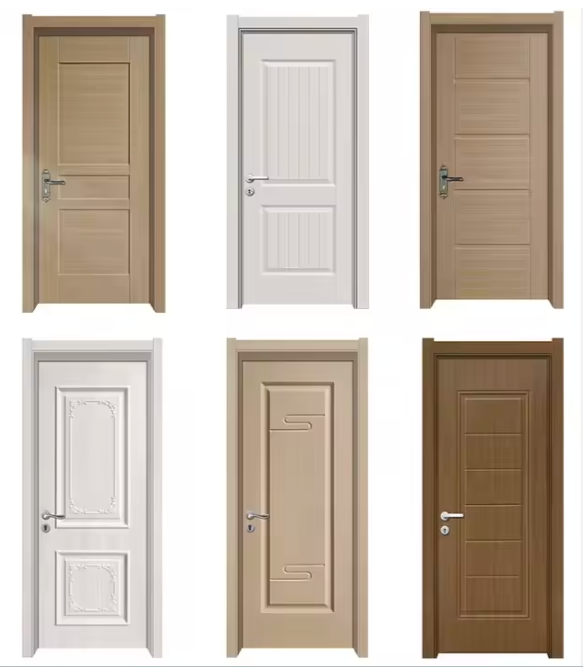
Does WPC doors can make any shape same as wood door ?
Yes, WPC doors can be molded and shaped in many of the same styles and designs as wood doors, though there are some differences in the manufacturing process.
How WPC Doors Compare to Wood Doors in Shaping:
- Molding and Customization:
- WPC doors are flexible in terms of design and can be molded into various shapes and sizes, including intricate designs that are similar to traditional wooden doors. The plastic content in WPC allows it to be easily shaped into curves, arches, or other unique features.
- Wood doors, while customizable, require more intensive craftsmanship and specialized tools for shaping intricate designs. Solid wood may be harder to manipulate compared to WPC, especially for curved or highly detailed shapes.
- Design Complexity:
- WPC doors can be made with a wide variety of finishes, including wood-grain patterns, embossed textures, and even 3D effects. This allows them to mimic the look of wood while offering more flexibility in design, such as being lighter, easier to maintain, and resistant to moisture or warping.
- Wood doors can also be customized to any shape, but intricate shapes (such as curved edges or elaborate paneling) may take longer to create and could be more costly depending on the type of wood and complexity.
- Cutting and Finishing:
- WPC doors can be cut with saws and cutting tools in much the same way as wood, but they don’t need as much finishing work (like sanding or varnishing). They maintain their shape well and are resistant to changes in the environment (like moisture or temperature), which means the shape is more stable over time.
- Wood doors, on the other hand, need more careful handling during cutting and shaping to prevent splintering or warping. Additional finishing (staining, painting, etc.) is also required to protect the door.
- Strength and Stability:
- WPC doors maintain their shape and stability even when exposed to moisture or extreme conditions, which makes them ideal for creating custom shapes in high-humidity areas like bathrooms or kitchens. The plastic content in WPC doors allows them to resist expansion, contraction, or warping.
- Wood doors are more susceptible to environmental changes. If not properly sealed or maintained, they can warp or crack over time, especially if exposed to moisture or extreme temperatures.
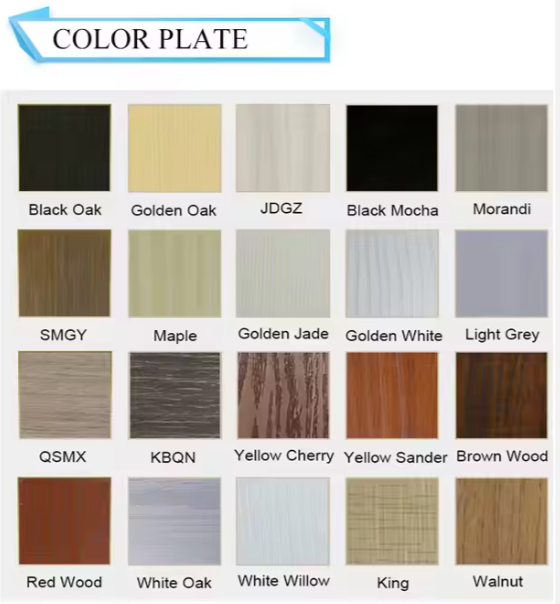
What colors are best selling is WPC doors?
The best-selling colors for WPC doors (Wood Plastic Composite doors) typically reflect current interior design trends, as well as practical preferences for durability and aesthetic appeal. Here are some of the top-selling WPC door colors:
1. Natural Wood Shades
- Oak: A light, warm, natural wood look that is versatile and complements most interior styles, especially in modern and Scandinavian designs.
- Teak: A deeper, richer tone with golden-brown hues, perfect for luxury and contemporary interiors.
- Mahogany: A classic, darker wood shade that adds elegance and sophistication to traditional or upscale designs.
- Walnut: A rich, dark brown color with deep undertones, ideal for more luxurious, timeless interiors.
2. Grey Shades
- Light Grey: Popular for contemporary and minimalist interiors, light grey WPC doors add a sleek and modern look, and they pair well with neutral color schemes.
- Charcoal Grey: A darker, more dramatic tone that works well in modern, industrial, or urban-inspired settings.
3. White & Off-White
- Pure White: A clean, fresh look that suits almost any style and helps to brighten up spaces, making it a popular choice for interiors with a modern or minimalist aesthetic.
- Ivory or Cream: A warmer alternative to pure white, offering a softer, more welcoming tone that pairs well with both traditional and modern designs.
4. Beige & Tan
- Beige: A neutral and subtle color that blends easily with various interior styles, especially for homes with warm tones or natural materials.
- Tan: Slightly darker than beige, tan WPC doors are a great option for cozy, earthy, or rustic interior designs.
5. Black
- Matte Black: An increasingly popular trend, especially in modern and industrial interiors, matte black WPC doors offer a bold, stylish, and contemporary look.
- Glossy Black: For a more polished, high-end feel, glossy black doors provide a sleek and striking appearance.
6. Wood Effect Colors with High Gloss Finish
- High Gloss Natural Wood: WPC doors with a high gloss finish in natural wood tones like oak or walnut are trending due to their shiny, modern appearance and easy-to-clean surfaces.
- Glossy White or Beige: These finishes are sought after for their elegant, polished look while being low-maintenance.
7. Burgundy & Dark Red Tones
- These colors offer a rich and luxurious feel, perfect for creating a sophisticated, statement-making entrance. While not as common as other shades, they have been gaining popularity in high-end residential projects.
8. Customized Colors
- Many buyers prefer custom colors that match specific interior designs or branding, especially in commercial spaces. Customization allows for a wider variety of color choices, including bold, unique hues like navy blue, olive green, or mustard yellow.
Conclusion:
- Neutral colors like oak, grey, white, and beige are among the best sellers for WPC doors because they offer flexibility and blend well with a variety of interior themes.
- Natural wood tones (like teak, walnut, and mahogany) remain favorites for their authentic and timeless appeal.
- Dark shades such as charcoal grey and black are growing in popularity, especially for modern, contemporary, and industrial settings.
Ultimately, the best-selling WPC door color will vary depending on regional preferences, design trends, and the specific market demand, but these colors consistently lead the way.